
Primrose and its golden key to spring
HERBAL MONTENEGRO
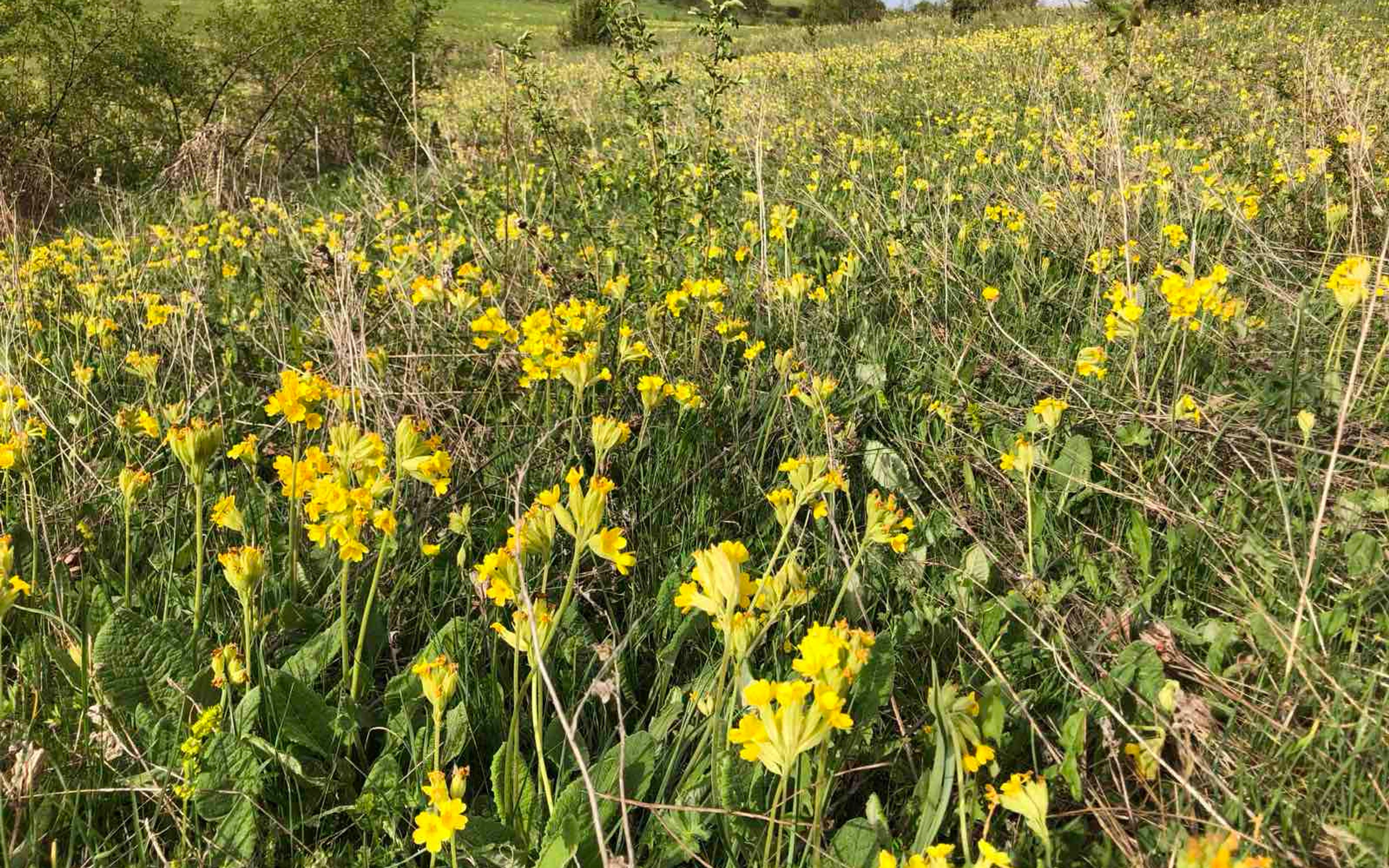
Some flowers are planted, tended, watered, and patiently watched until they bloom. Others are simply stumbled upon. Primrose (Primula veris) belongs to the second kind. Known locally as jagorčevina, jaglika, or jaglac, it has long been a familiar sight in our part of the world. It doesn't care where the garden ends, who owns the meadow, or who might pick it. It simply appears as soon as winter begins to loosen its grip — along an old path, beneath a fruit tree, at the edge of a forest, or among grass that has barely begun to turn green. And when you spot those little yellow flowers, somehow you just know — spring has arrived.
Our ancestors didn't believe much in coincidences when it came to nature. They knew when to sow, when to harvest, and when to let the land rest. They were familiar with primrose long before we began talking about its saponins, flavonoids, and plant extracts.
To them, it was simply a spring flower and a familiar herb to keep at home. Once the primroses appeared, winter no longer had the final word.
There's something special about the first flowers of spring. After months of grey earth and bare branches, colour suddenly returns. And primrose brings a colour all its own. Its tiny flowers are yellow, almost golden, as though someone had hung little bells of sunshine from a green stem. It's no wonder that, throughout history, people have associated it with the sun, light, and the awakening of nature.
Its Latin name is Primula veris. The word Primula comes from the Latin primus, meaning "first". And indeed, primrose is among the earliest messengers of spring.
Perhaps that's why people once saw something more than an ordinary plant in these flowers. After all, when winter has been long, the first flower means something different. You greet it like good news.
How to recognise primrose in a spring meadow
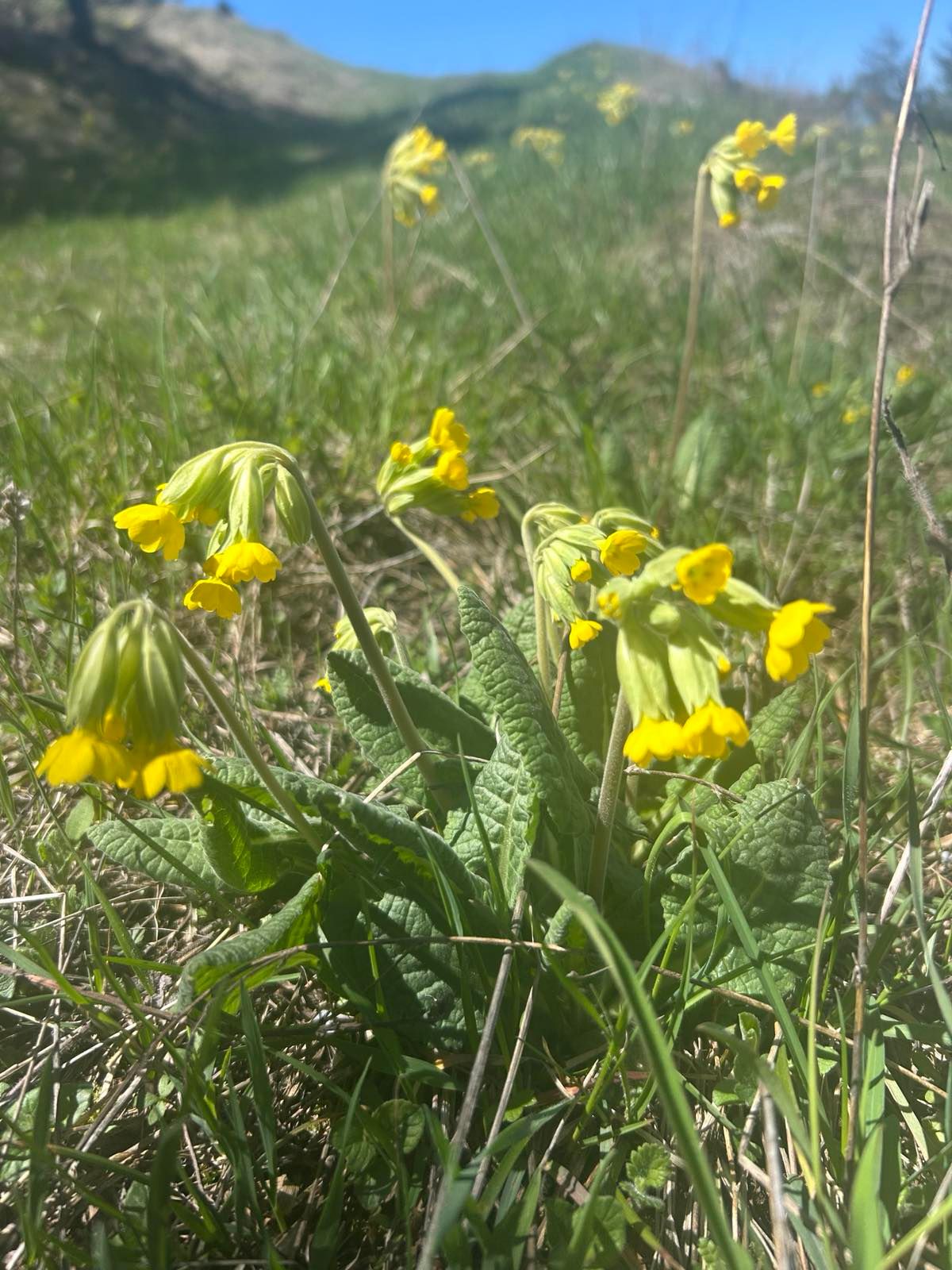
Primrose is a perennial herbaceous plant with a short rhizome and numerous fine roots. Its elongated, wrinkled leaves form a rosette close to the ground. From the centre rises a leafless flowering stem, usually around 20 to 30 centimetres tall, bearing a cluster of yellow flowers with a delicate, honey-like fragrance.
It grows in sunny meadows, woodland clearings, along forest edges, and among shrubs. Depending on the altitude and weather conditions, it flowers from early spring through May.
The flower said to carry the keys
There's an old legend that's difficult to tell without feeling a little warmth.
The story goes that Saint Peter once dropped the keys to the gates of heaven. As they fell to earth, primroses sprang up wherever they touched the ground.
Take a closer look at the flowers, and it's easy to understand how the legend came about. Several blossoms hanging from a single slender stem really do resemble a little bunch of golden keys.
Because of this story, primrose became known by names associated with keys and Saint Peter in various parts of Europe.
And what lovelier explanation could there be for one of spring's first flowers than the idea that it holds the key to opening the doors of the new season?
Grandmothers knew about primrose tea, too
Primrose was traditionally used to help with coughs.
Today, this traditional use can also be understood through the plant's natural compounds. Primrose contains saponins, which are associated with expectorant effects, helping loosen mucus in the airways and making it easier to cough up.
This is why primrose is best known in traditional herbal medicine for helping relieve productive coughs associated with colds, particularly when mucus has built up in the respiratory tract.
What traditional uses tell us
But primrose has a much broader history in folk medicine.
It has traditionally been used for rheumatic complaints, headaches, nervous tension, and sleeplessness, as well as in herbal blends for urinary tract complaints.
Traditional records also mention its use for gout, neuralgia, dizziness, tremors, bladder stones, and mumps.
External applications have also been described, including compresses for painful joints, bruises, sunburn, and spots, as well as mouth rinses for gum problems and toothache.
These are historical and traditional uses rather than evidence that primrose is effective for all of these conditions.
Harvesting with next spring in mind
According to traditional records, primrose flowers are gathered in spring, while the rhizome and roots are collected in autumn.
The flowers should be carefully dried in a well-ventilated place, protected from moisture, and then stored in tightly sealed containers away from light.
Before harvesting, however, the most important thing is to identify the species correctly.
Digging up the roots removes the entire plant, so herbs from controlled cultivation and reliable sources should be preferred. Enough flowers should always be left in the meadow to produce seeds and return the following spring.
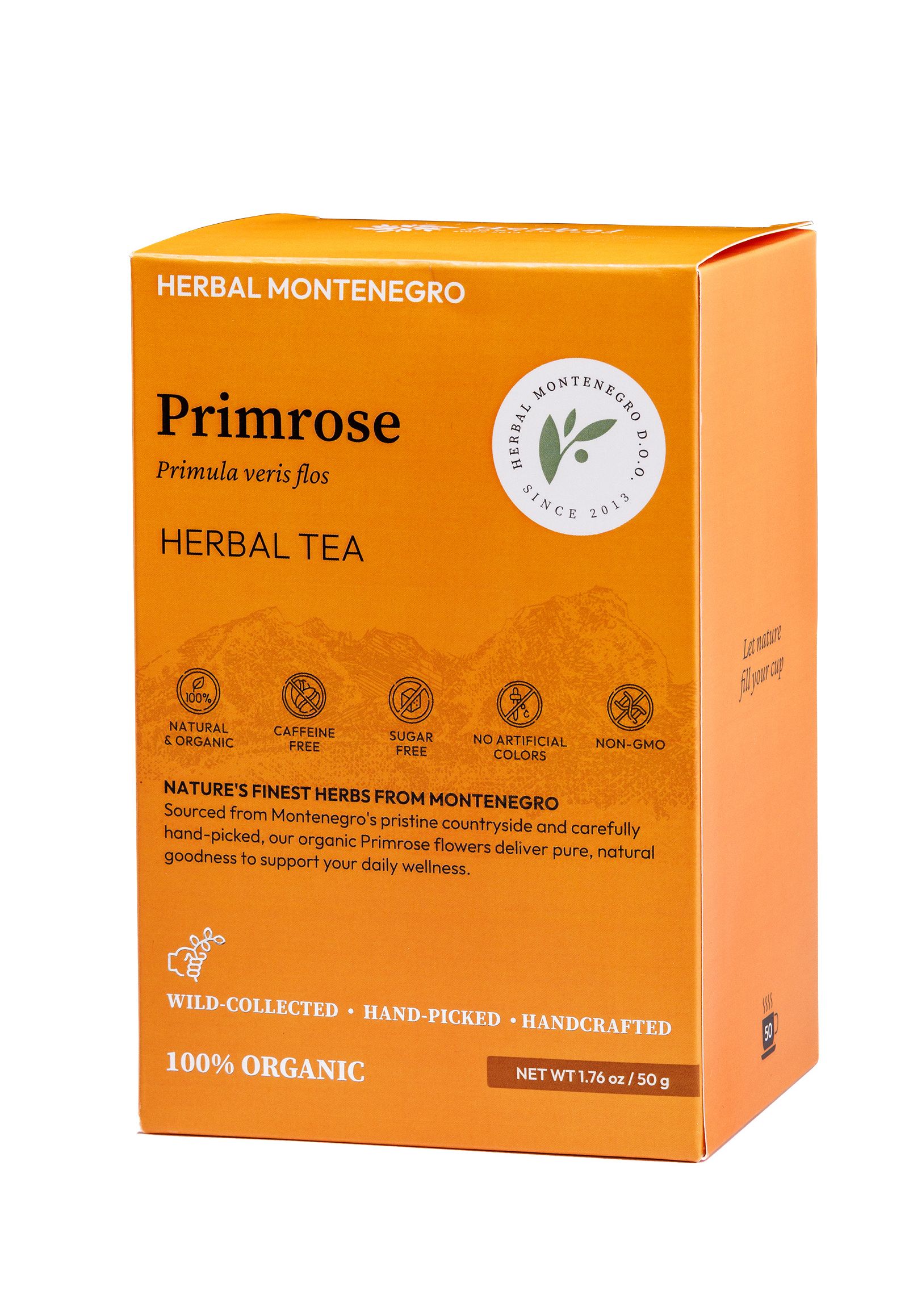
At Herbal Montenegro, we carefully harvest and dry these delicate primrose flowers to bring you our premium organic Primrose herbal tea.
But primrose isn't just for tea
In traditional kitchens, spring wasn't simply something to admire.
It was something to taste.
Primrose flowers can be used in spring salads, as decorations for cakes, or to make a simple syrup. They can also be turned into something almost too beautiful to be real — crystallised flowers.
Old records also mention young primrose leaves being used in salads, cooked vegetable dishes, and savoury pies.
For culinary use, it is essential to correctly identify an edible species and choose plants from clean, reliable sources. Ornamental primroses bought from florists are not suitable for eating.
Only flowers from a verified edible species should be used for crystallising. If the recipe calls for egg white, it should be pasteurised.
The flowers are gently brushed, sprinkled with fine sugar, and left to dry.
And suddenly, you no longer have just a flower.
You have a tiny piece of spring that looks as though it were made of crystal.
Honey with the scent of spring
There's an even simpler idea.
Primrose flowers can also be used to infuse honey with a delicate floral aroma. Clean, completely dried flowers are placed in a clean jar and covered with honey.
For this preparation, it's important to use properly dried flowers from a verified edible species and clean utensils. Fresh flowers can introduce moisture into honey, so homemade infusions should not automatically be considered suitable for long-term storage.
After some time, the honey takes on a gentle floral fragrance.
It's not a medicine, and it shouldn't be presented as one.
It's something else entirely.
A small way of saving a little piece of spring for later.
Because perhaps that was the greatest secret behind all the herbal preparations our grandmothers used to make:
They weren't just making remedies — they were making memories.
If you come across primrose this spring
Don't pick it straight away.
Stop for a moment. Take a closer look.
Notice how small it is, and think about how long people have remembered it.
Think of all the women who once gathered herbs at dawn. Of all the grandmothers with their little cloth bags filled with dried plants.