More than a drink — a cup of tea that keeps tradition alive
There is something special about pouring hot water over herbs. The aroma slowly fills the room, the cup warms our hands, and conversations take on a gentler pace. As we wait for the tea to steep, we find ourselves slowing down too.
Perhaps that's why drinking tea has always been about more than simply quenching our thirst or turning to a familiar herb passed down through generations. It's about care, memories, and the time we set aside for ourselves or someone we love.
One cup for a moment to yourself. Two for conversation.
Tea as part of culture and togetherness
Throughout history, tea has played a role in both everyday life and special occasions. In Chinese tradition, preparing, serving, and sharing tea are closely connected to welcoming guests, family relationships, and ceremonies. Knowledge of tea has been passed down through families and learned from experienced tea practitioners.
The significance of this tradition is reflected in its inclusion on UNESCO's Representative List of the Intangible Cultural Heritage of Humanity in 2022. Traditional tea processing techniques and associated social practices in China were recognised for their cultural value, celebrating generations of knowledge, gatherings, and customs centred around tea.
Montenegro — a tradition rooted in herbs
Montenegro's natural landscape gives this story a character of its own. The National Tourism Organisation of Montenegro highlights wild thyme, mint, lemon balm, yarrow, and other herbs found in the country's mountainous regions, including Lovćen, Orjen, Durmitor, Prokletije, and Komovi. Using these plants to prepare herbal teas and other traditional remedies has long been part of the local heritage.
An interesting record of this knowledge can be found in a 2011 study exploring the traditional use of wild medicinal plants in the Prokletije Mountains. Through interviews with 75 residents aged between 40 and 82, researchers documented 94 plant species used in folk medicine. The findings offer a glimpse into the depth of local botanical knowledge and the role plants have played in traditional practices.
Behind these numbers, it's easy to imagine conversations, walks through meadows to identify plants, and knowledge remembered and shared because it was part of everyday life.
A small ritual in a busy day
These days, so much of life moves quickly. Tea, however, asks us to wait a few minutes. And in that brief pause, there's room for a simple ritual: putting down our phones, taking in the aroma of the herbs, and enjoying the first sip without rushing.
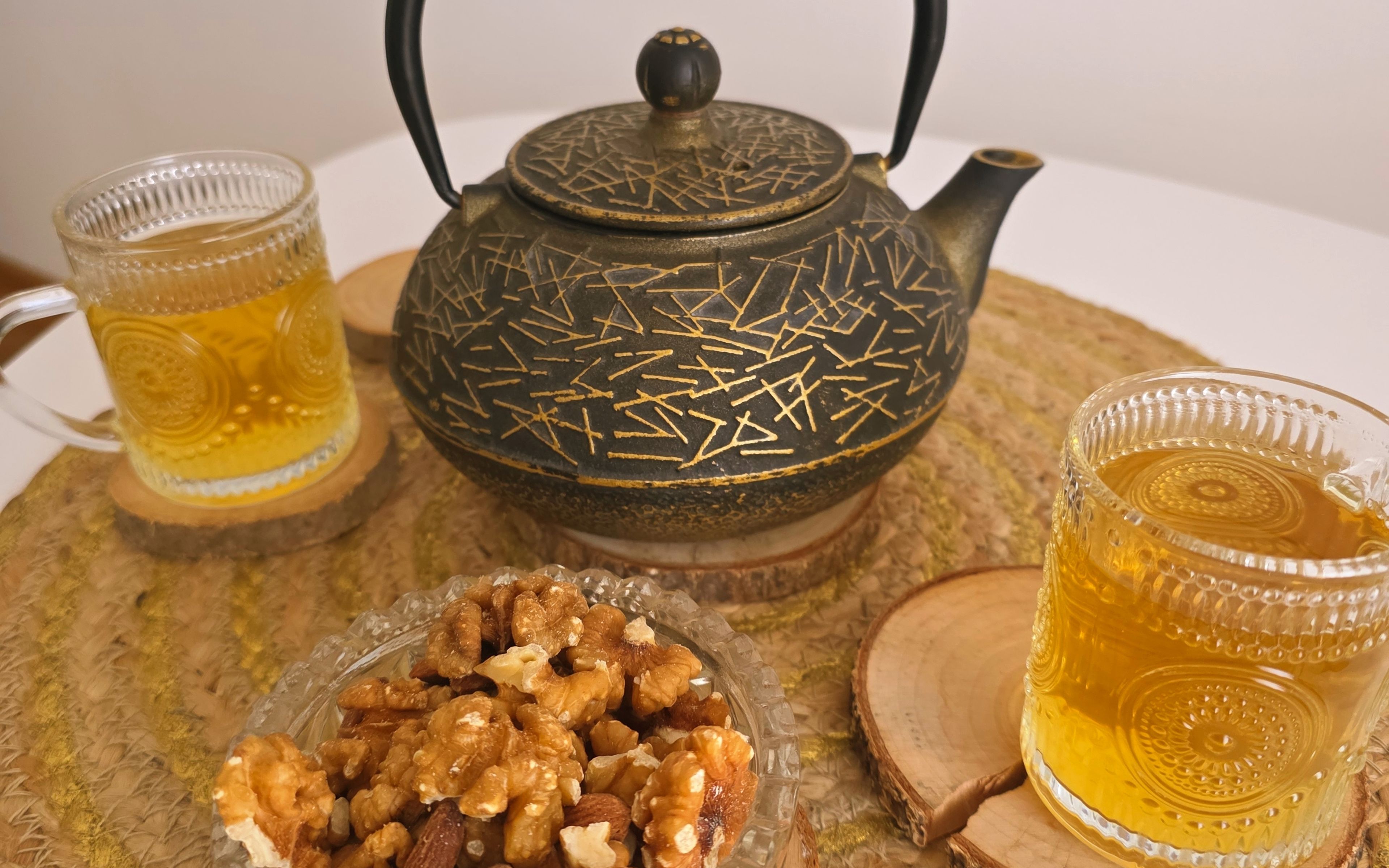
A teapot, two cups, and a bowl of walnuts might be all we need. Sometimes we enjoy the company of others; at other times, it's the quiet and a cup we've made just for ourselves.
These moments give tea a place in our lives beyond any particular need. We drink it simply because we enjoy the flavour, want to take a break, or spend a little time with someone close to us.
For Herbal Montenegro, this is the beauty of drinking tea: bringing together nature, tradition, and the simple act of taking time for ourselves and others. It's about bringing the familiar scent of herbs into our homes and creating personal rituals around it.
Brew your favourite tea. Wrap your hands around the cup. Give yourself a moment to enjoy it.
It might just become the loveliest part of your day.
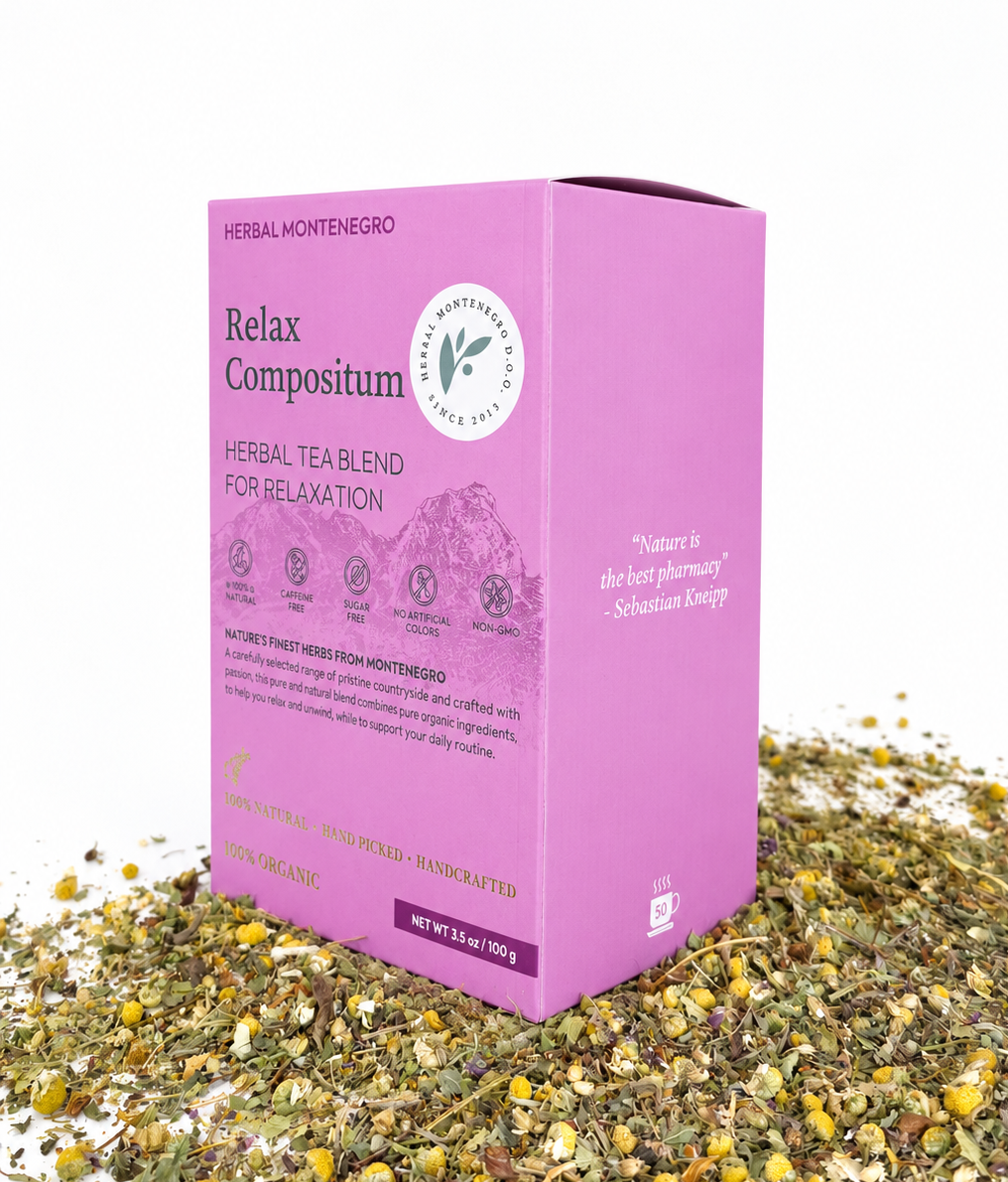
Our recommendation: Relax Compositum by Herbal Montenegro.