
God’s Pharmacy - Ancient wisdom preserved in every plant
HERBAL MONTENEGRO
Nature has preserved knowledge for centuries, recognized, used, and passed down through generations. Medicinal plants remain one of the most valuable parts of that heritage.
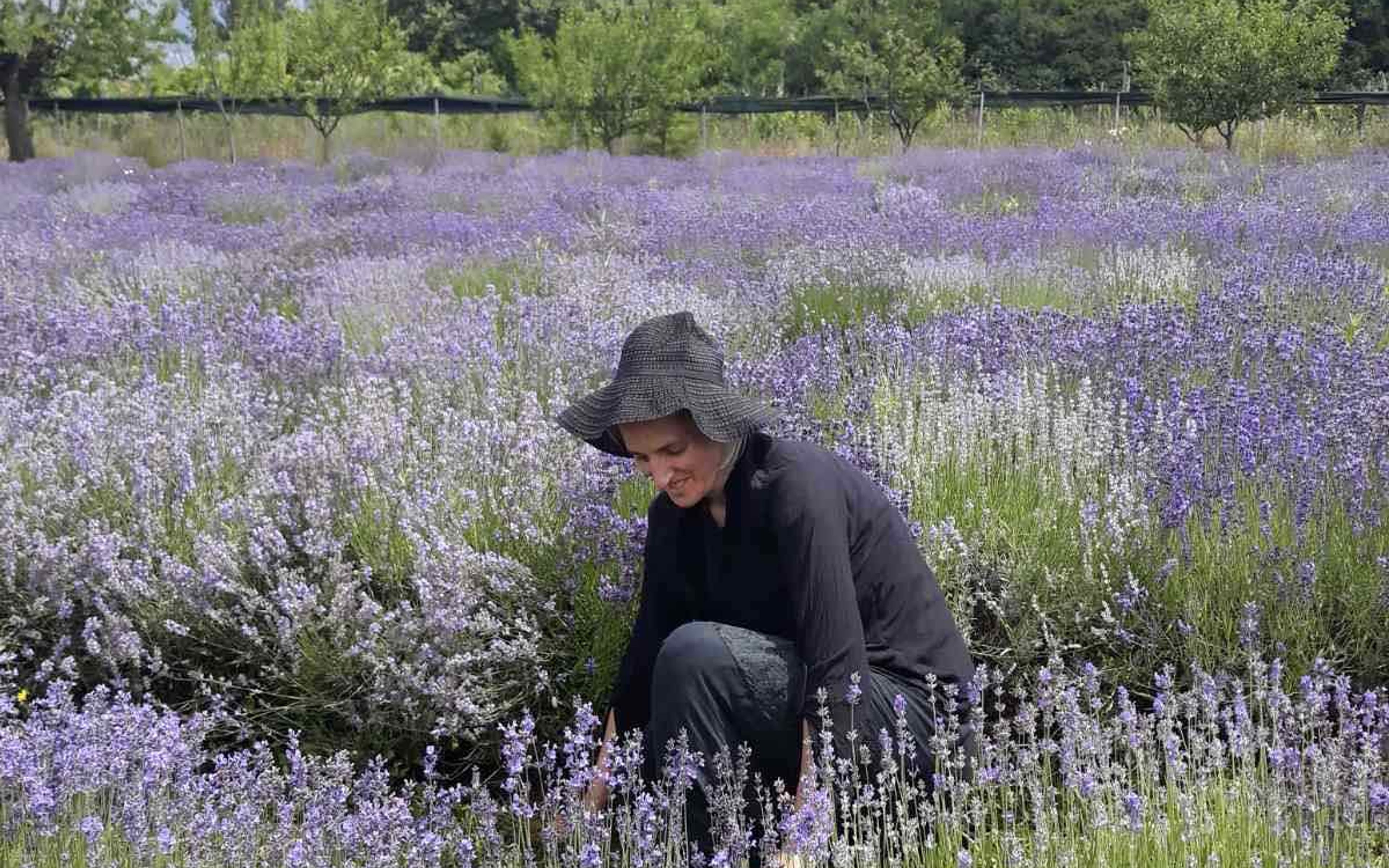
As long as humans have existed, so has their deep connection with plants. Long before modern pharmacies and laboratories, people turned to nature for food, strength, relief, and support for their health.
Archaeological findings suggest that humans were already identifying and using different plants in the Stone Age. Remains from Neolithic settlements have revealed plants such as poppy, angelica, and caraway. In ancient Mesopotamia, sesame, cardamom, dill, thyme, and saffron were mentioned. For ancient peoples, there was no clear boundary between food, spices, medicinal plants, and plants used in rituals. A plant could nourish the body, enrich the taste and aroma of food, and help heal injuries...
One of the best-known experts on plants in the ancient world was Pedanius Dioscorides, who described more than 600 different plants as early as the first century. During the Middle Ages, knowledge about plants was preserved in monasteries and ancient medical writings. Thanks to herbalists, monks, apothecaries, and ordinary people, this knowledge survived through the centuries.
That is why we often refer to nature as God’s Pharmacy.
Within a single meadow, forest, or on the rocky slopes of Montenegro lies an entire world of scents, colors, and valuable plant compounds. Yet this pharmacy does not open its doors to those who approach it superficially. A plant must be correctly identified; we need to know how and when to harvest it, which part of it is used, how it should be dried and stored, and also when its use is not recommended. Nature is generous, but it asks us for knowledge, moderation, and responsibility.
My deeper interest in medicinal plants did not begin out of mere curiosity.
It began when a member of my family became ill, at a time when conventional medicine offered little hope.
In moments like these, we begin searching for answers, listening more carefully to the experiences of others, and noticing things we may once have passed by without paying enough attention.
That was when I began to study plants and their traditional uses more deeply.
Only then did I become truly aware of how blessed I am to live in Montenegro, a country whose mountains, meadows, and forests preserve an invaluable wealth of medicinal wild-growing plants. The more I read and learned, the more clearly I understood just how complex and fascinating the plant world truly is.
I no longer saw plants merely as decoration across our meadows and mountains, but as a precious gift that deserves to be understood, respected, and preserved.
Today, science allows us to study the composition of plants and better understand their effects. At the same time, folk tradition preserves the valuable observations of generations who lived much closer to nature than we do today. The greatest value lies in carefully bringing these two worlds together — the experience of our ancestors and reliable modern knowledge.
Medicinal plants should not be presented as a magical substitute for a doctor or prescribed therapy. They can be part of a thoughtful approach to self-care when chosen appropriately and used with professional guidance, particularly in cases of chronic illness, pregnancy, medication use, or the treatment of children. Natural ingredients can also have powerful effects, contraindications, and interactions with one another.
Herbal Montenegro is an invitation to rediscover the nature that surrounds us. To learn how to distinguish plants, harvest them responsibly, use them correctly, and protect the habitats in which they grow. Because God’s Pharmacy is not simply a place from which we take. It is a heritage we have a responsibility to protect.
Perhaps the greatest wonder of plants lies not only in what they can offer our bodies. Perhaps their power also lies in the way they reconnect us with nature, patience, and the wisdom of our ancestors. They teach us to slow down, look more carefully at the world around us, and understand that sometimes great treasures can be found in the very things that have been within our reach all our lives.
The Purpose and Mission of Herbal Montenegro
If we fail to pass our knowledge of medicinal plants on to future generations, we will lose more than old recipes and plant names. We will lose part of our family memory, the experience of our ancestors, and our awareness of the richness growing all around us.
That is why it is important to leave a written record in every responsible way possible: to document traditional plant names, the places where they grow, the time of harvesting, methods of preservation, and experiences related to their traditional use. Such records should be compared with reliable modern knowledge, expanded over time, and openly shared with others. Books, family notebooks, photographs, herbaria, workshops, and digital collections can become bridges between generations.
It is our responsibility to preserve both the plants and the stories connected to them. If we record what we know today and encourage others to learn, future generations will not have to start from the beginning. They will inherit not only information, but also respect for nature, an awareness of its vulnerability, and a desire to protect, study, and wisely use God’s Pharmacy.
Sibela Maslovarić
MSc in Nutrition and Health